Every One of Florida's Four Biggest Metros Cut Rent Faster Than the Country. Tampa Leads at Minus 5%.
A multiyear apartment boom is dragging Florida rents below the national trend, and that is the real ceiling on for-sale prices right now.
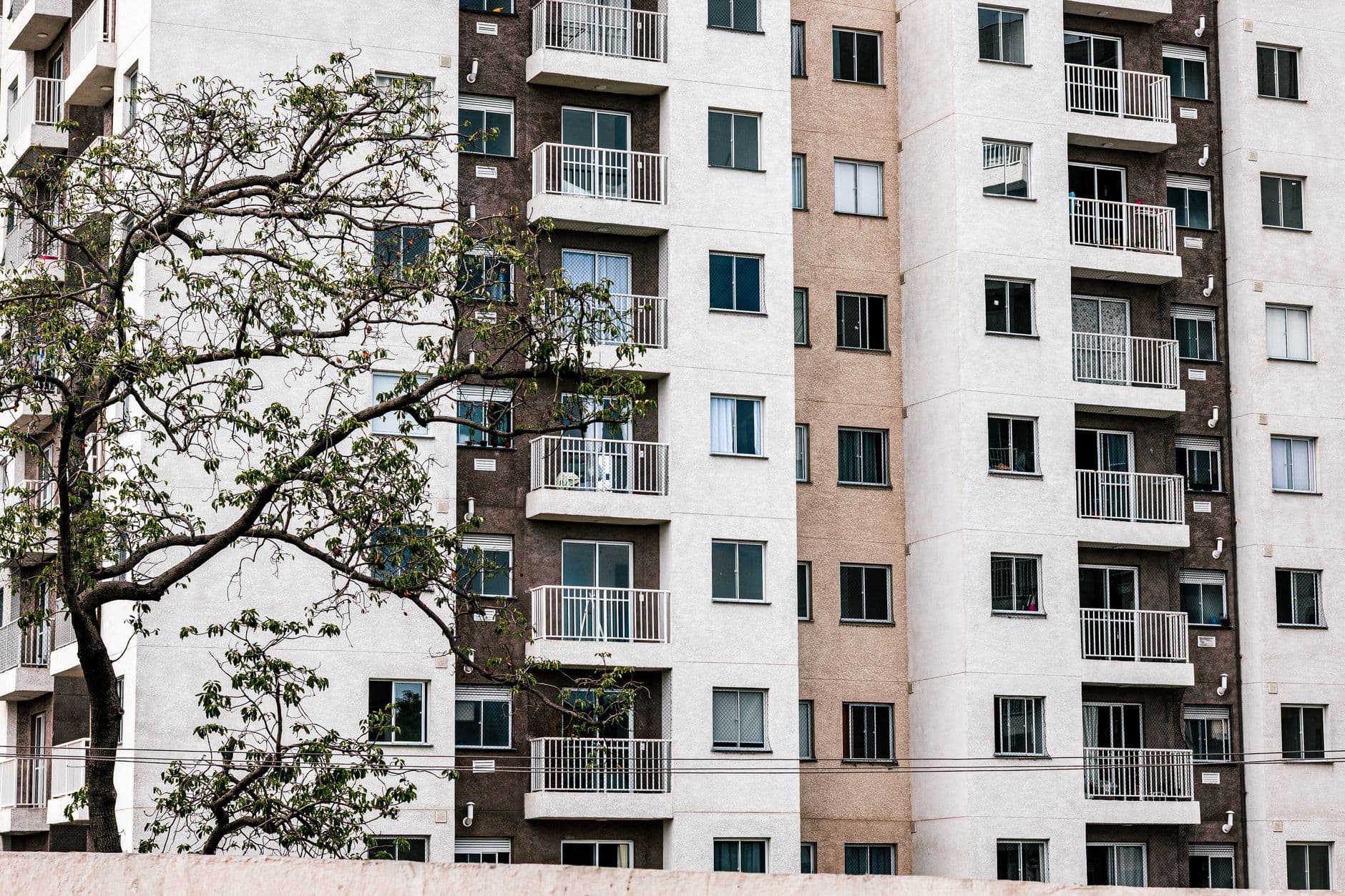
Rent in every one of Florida's four largest metros fell over the past year, and each fell faster than the country did. That is the sharpest thing in the housing data this month, and almost nobody is saying it out loud.
Florida built its way to cheaper rent
The median asking rent across the 50 biggest U.S. metros slipped to $1,692 in June 2026, down 1.5% from a year earlier, according to the Realtor.com June 2026 Rent Report. That was the 35th straight month of annual declines nationally. Florida is running well ahead of the national pace. Tampa Bay led its major metros down, with asking rent off 5.0% year over year, more than three times the national drop.
Here is the June 2026 picture across the state's four big rental markets, all from the same Realtor.com report:
| Metro | Median asking rent, June 2026 | Year over year |
|---|---|---|
| Tampa-St. Petersburg-Clearwater | $1,638 | -5.0% |
| Miami-Fort Lauderdale-West Palm Beach | $2,277 | -2.6% |
| Jacksonville | $1,478 | -2.3% |
| Orlando-Kissimmee-Sanford | $1,683 | -1.9% |
Four metros, four declines, every one steeper than the national 1.5%. Miami, the most expensive rental market in the state, still cut. So did the St. Petersburg and Clearwater side of Tampa Bay, hardest of all.
The supply nobody wants to credit
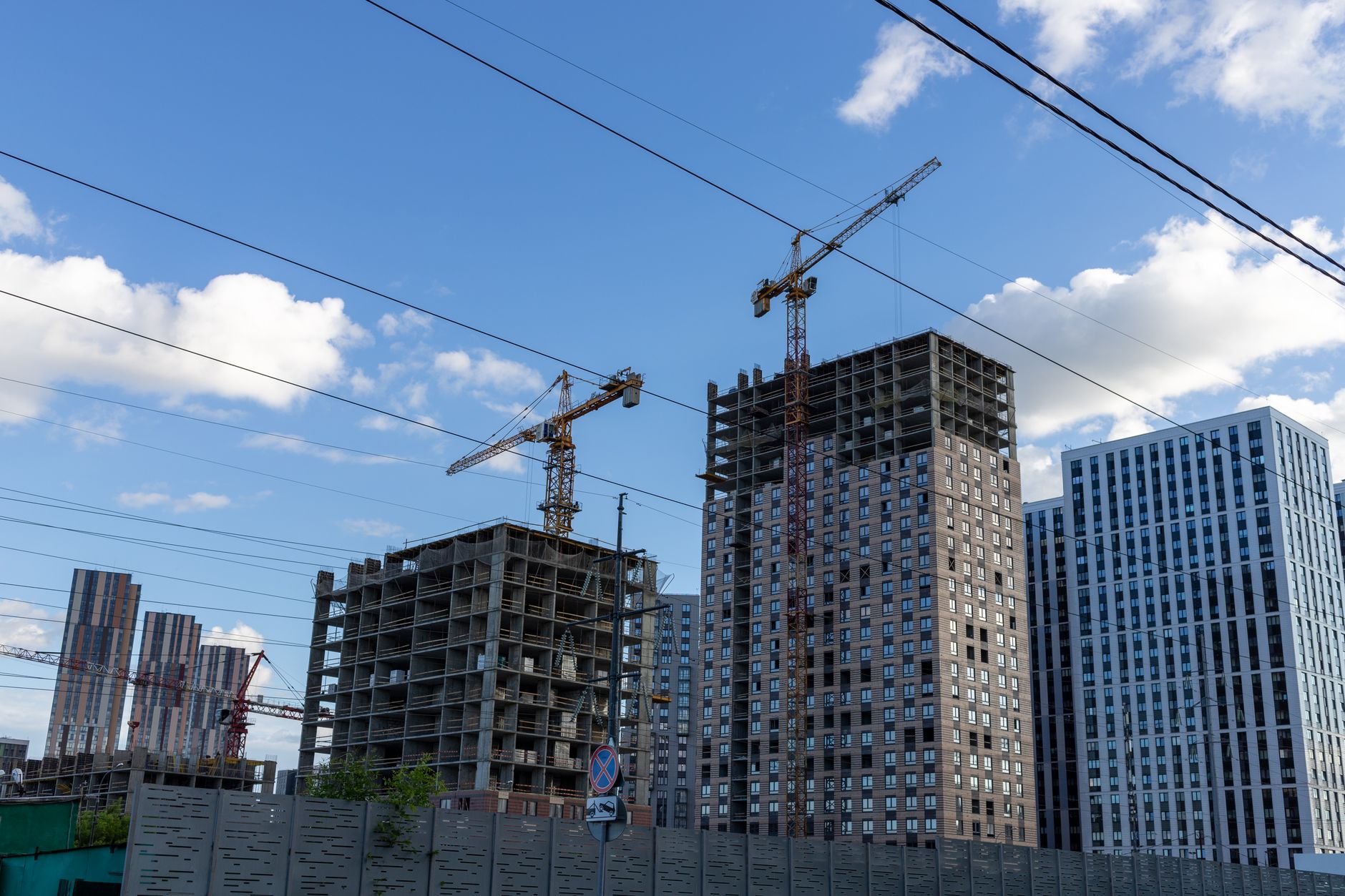
This did not happen because demand collapsed. It happened because Florida kept building. After pulling back in 2024, permitting rebounded in 2025 to 4.5 multifamily units per 1,000 residents in Orlando and 2.6 in Miami, both near their 2021 peaks, per the same Realtor.com report. The report's own headline framed the split bluntly: Florida and Columbus, Ohio are building fastest, while New York and Boston are building at their slowest pace since 2019.
The economics are old and reliable. Builders spent the years after the pandemic rent spike playing catch-up, the units delivered, and now supply is outrunning demand. Realtor.com's read is that metros with strong construction pipelines, Orlando among them, are the ones set up for continued rent relief. Slower-building markets like New York get regulation but not relief.
The number that refuses to fall
Hold Florida's falling rents against two figures that are not falling. Nationally, shelter costs rose 3.2% over the year through July 2026, and overall consumer prices rose 3.4%, per July CPI data reported by Florida Realtors from the Bureau of Labor Statistics. The national shelter index is a lagging, blended average of existing leases. Florida's actual asking rents, the price a new tenant pays today, are already down.
Now the cost of the alternative. The 30-year fixed mortgage averaged 6.67% as of the August 13 Freddie Mac survey, higher than the 6.58% of a year ago. So the monthly math has split in two directions at once. Renting a comparable place in Tampa, Miami, Jacksonville or Orlando got cheaper. Buying the same square footage, financed at nearly 6.7%, did not.
What falling rent does to a seller
Rent is the price of the option to wait. When a comparable lease gets cheaper every quarter and a purchase mortgage sits near 6.7%, the marginal Florida buyer can afford to sit still, and sitting still costs them less each month. That is the quiet ceiling on for-sale prices across much of the state. It is why headline price gains keep landing flat once you strip out the base effects, and why sellers who list at aspirational numbers keep chasing the market down.
A landlord in Tampa has lost pricing power, and so has the seller across the street. They are competing for the same household, and that household now has a cheaper fallback than it did a year ago. This is not a crash signal. It is a leverage signal, and the leverage sits with whoever is not in a hurry.
The move
If you rent in a big Florida metro, treat your renewal as a negotiation, not a notice. Asking rents in your market are down year over year, which means the new-lease price a landlord will accept to keep a unit occupied is often below the renewal figure on the letter. Bring the number.
If you are weighing a purchase, do the comparison honestly. Underwrite the payment at today's 6.67% and buy only when owning beats your actual, falling rent on its own terms, not on a bet that rents snap back next year. In a state that is still delivering apartments, that bet is the weak part of the case. The strong part is that a patient buyer and a patient renter are, for once, the same person, and both are winning.
References
REHL Research
Get the market read in your inbox
We publish what the numbers actually say about the markets you work in: rates, inventory, insurance, what it means for the price you pay. Sent when the data moves, not on a schedule.
Looking at homes right now? Start your search.