Florida condo sales jumped 14% and the supply barely moved. That is what a structural glut looks like.
Both halves of Florida's market are gaining in price now, so the old story is dead. The live one is 8.1 months of condo supply that a strong sales month could not clear.
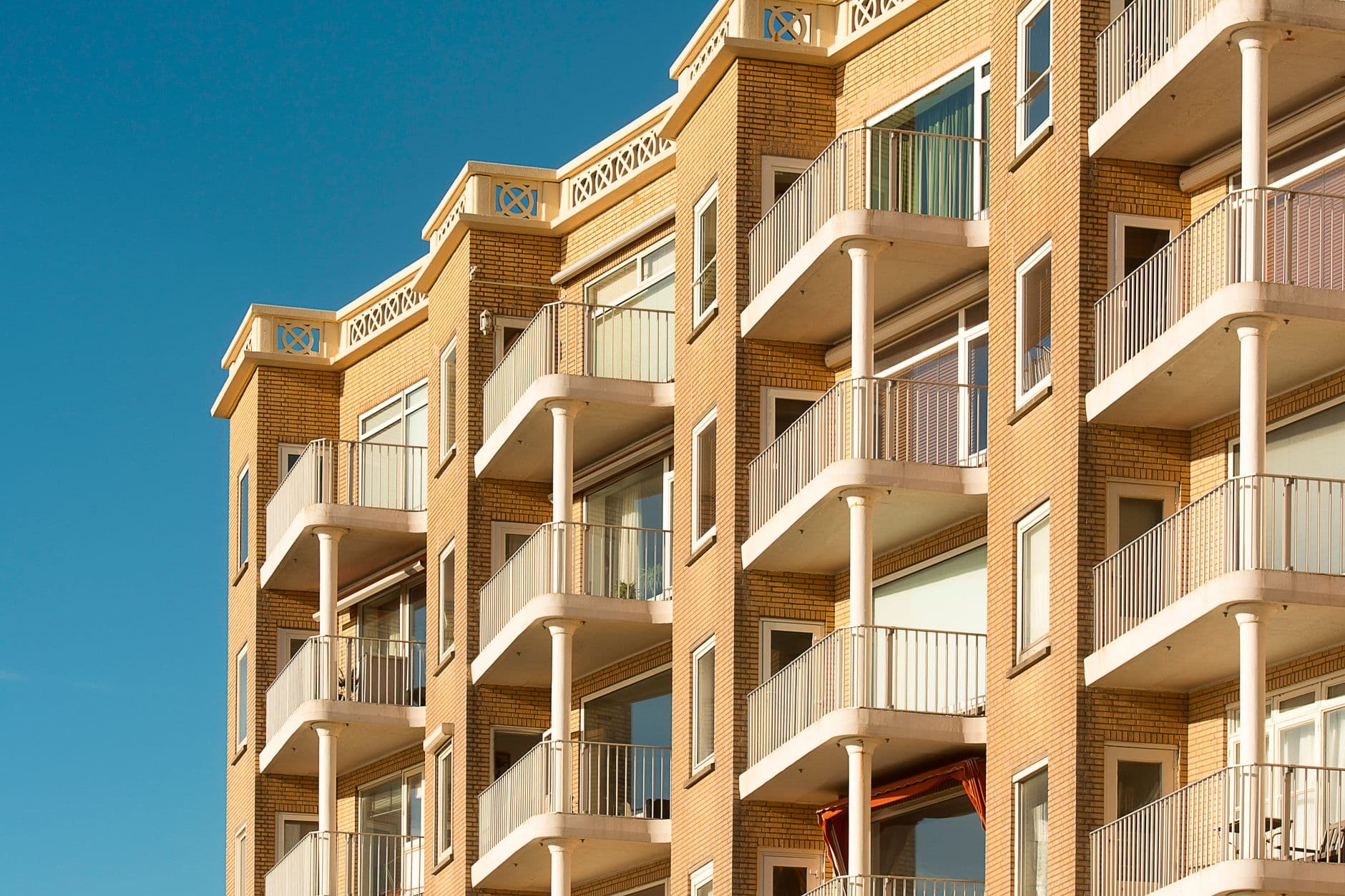
Florida condo and townhouse closed sales rose 14 percent in June compared with a year earlier, and the median condo price rose too, to $305,000. Supply did not budge. It sat at 8.1 months, which is still deep buyer's-market territory. That combination is the most useful thing in the June report Florida Realtors released on July 17: demand showed up, prices firmed, and the shelves stayed full anyway.
Start by throwing out the version of this story most people are still carrying. Through late 2025 the shorthand was that Florida condo prices were falling while single-family held its ground. As of the June 2026 data that is simply not what the numbers say. Single-family median hit $432,000, up 4.9 percent year over year. Condo and townhouse median hit $305,000, up 1.7 percent. Both sides are up. The price story that split the market last year has closed.
The split itself has not closed. It just moved to a better place to look.
Eight months of supply is a different animal from four and a half
Months of supply answers one question: at the current sales pace, how long would it take to sell everything listed. Single-family in Florida stood at 4.5 months in June 2026. Condo and townhouse stood at 8.1. The convention the industry uses puts balance somewhere near five and a half to six months, which means the two halves of this market are not just different in degree. Single-family is tighter than balanced. Condos are loose enough that a patient buyer sets the terms.
What makes June interesting is the pressure that supply absorbed without moving. A 14 percent jump in closings is real demand. Prices going up 1.7 percent means that demand was strong enough to lift the clearing price. Both of those forces push months of supply down, because the denominator (sales pace) grows. Supply still printed 8.1. Sellers replaced the inventory as fast as buyers took it out.
Inventory that will not clear into a rising market is much better evidence than inventory that will not clear into a falling one. A falling market explains its own glut. This one does not have that excuse.
The gap is closing, and that deserves saying plainly
The honest counterweight: this divide is narrowing, not widening. In November 2025 the same report showed 4.9 months of single-family supply against 9.4 months of condo supply, a spread of 4.5 months. In June 2026 it was 4.5 against 8.1, a spread of 3.6 months. That is roughly a 20 percent compression in seven months, and the condo side did most of the work.
So anyone selling you an accelerating condo collapse is arguing against the data. The overhang is shrinking. It is shrinking slowly, from a very high base, and 8.1 months is still 8.1 months.
One more caveat belongs on the year-over-year figures before anyone builds a thesis on them. Jennifer Warner, Florida Realtors' director of economic development, notes in the same release that June 2025 was a particularly weak month for sales, with rates closer to 7 percent producing a soft spring. Some of that 14 percent is an easy comparison, not a boom.
Why the condo overhang behaves like a fixed cost
A price cut fixes a pricing problem. It does not fix a carrying-cost problem, and Florida condos have a carrying-cost problem that a seller cannot discount their way out of.
Since the 2021 Surfside collapse, Florida condo buildings have operated under milestone structural inspections and reserve-funding requirements that ended decades of associations underfunding their own maintenance. The bill for that deferred maintenance is now arriving as special assessments and higher monthly dues, on top of insurance costs that hit coastal buildings hardest. A buyer looking at a Fort Lauderdale or Clearwater unit is not just underwriting the purchase price. They are underwriting an assessment schedule they did not choose and cannot renegotiate.
That is why the supply is sticky in a way single-family supply is not. When the constraint is the monthly cost of owning rather than the price of buying, ordinary demand does not clear it. Two straight quarters of rising sales into a flat months-of-supply number is exactly the signature you would expect.
Rates are not the binding constraint here either, which is part of the point. Freddie Mac's survey for the week of July 16, 2026 put the 30-year fixed at 6.55 percent, up from 6.49 the prior week but down from 6.75 a year ago, with the 15-year at 5.93. Sam Khater, Freddie Mac's chief economist, described purchase application demand as recently weakened while affordability improved and inventory kept rising. Twenty basis points of relief year over year does not offset a five-figure assessment.
What to actually do with this
If you are buying a Florida condo, the document review is the deal. Read the reserve study, the most recent milestone inspection, the board minutes for the last two years, and the assessment history before you argue about price. A unit priced 10 percent under its neighbor with a funded reserve and a clean inspection is usually the more expensive one. The 8.1 months of supply is your leverage to take that time and to walk.
If you are selling one, your competition is not the identical unit three floors up. It is every building in your market whose financials are cleaner than yours. Getting the association's paperwork organized and in front of buyers early does more for your outcome than another price reduction, because it removes the unknown that is actually stalling offers.
And if you are shopping single-family anywhere in Florida, stop importing condo-market expectations. On June 2026 numbers, 4.5 months of supply with the median up 4.9 percent, that is not a market where waiting is free.
This is market analysis, not investment or legal advice. Supply, price, and sales figures are Florida Realtors' June 2026 statewide data released July 17, 2026, with November 2025 figures from the same series for comparison. Mortgage rates are Freddie Mac's survey for the week of July 16, 2026. The read on why condo supply is sticky is our interpretation of the data, not a finding in the underlying reports.
References
REHL Research
Get the market read in your inbox
We publish what the numbers actually say about the markets you work in: rates, inventory, insurance, what it means for the price you pay. Sent when the data moves, not on a schedule.
Looking at homes right now? Start your search.