Florida's seven-figure markets stopped climbing. You don't need cash to get in
Luxury from Naples to Palm Beach to Winter Park cooled from vertical to flat, and a well-qualified financed offer now competes with cash more than buyers think.
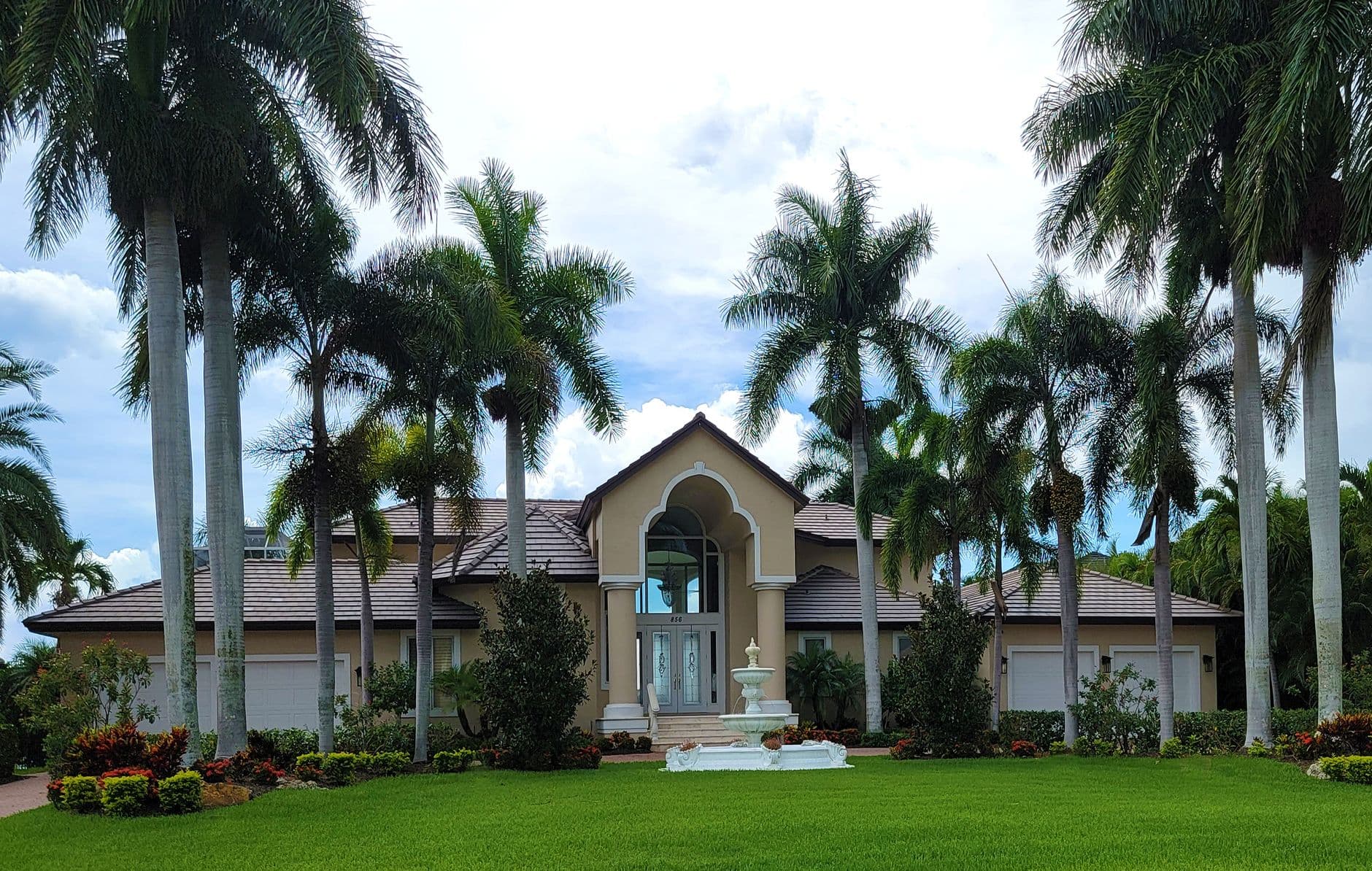
For two years, Florida's most expensive addresses only went one direction. The beachfront in Naples, the island in Palm Beach, the Coral Gables blocks off the water, the Chain of Lakes streets in Winter Park: the priciest pockets in the state compounded like a stock in a bubble, and the buyers who won them mostly paid cash. That run is over. The luxury core has gone flat, and flat is a completely different negotiation than up. The buyer who understands that difference does not need cash to get in.
Start with why the citywide number you will read on any listing portal is close to useless at this level. A metro median blends a lakefront or beachfront luxury core that trades in seven figures with a denser flank where price cuts show up first. Average the two and you get a figure that describes neither. Shop off it and you will either overpay in the core or miss a deal on the edge.
Flat is a different negotiation than up
Here is the part that changed. When values were compounding, a luxury seller could wait a week for the next all-cash bid and usually get a better one. That bet has stopped paying. Florida Realtors' statewide reports show the market cooling off its 2021-2022 peak, and the slowdown reaches the top. Across metro Orlando, Redfin has homes taking roughly a month to sell, up from about three weeks a year earlier, with inventory climbing. The same softening is visible from Southwest Florida to the Southeast coast. The all-cash offer a seven-figure seller is holding out for arrives less often than it used to, and every week the listing sits is a week the seller is quietly recalculating.
Read a cash-heavy luxury market the way a seller reads it and it looks like a wall. Read it the way the data actually reads and it is context, not a gate.
Cash is context, not a gate
This is where financed buyers get the read wrong. They see that four in ten closings in a place like Winter Park's lakefront core still go for cash, and they assume the door is shut. It is not. A seller does not actually want cash. A seller wants certainty and speed. Cash is a proxy for both, and it is a proxy a strong financed offer can beat: real proof of funds, a fully underwritten pre-approval rather than a pre-qual, a short and honest closing timeline, and no financing-contingency games. In a market where the next cash bid might be thirty days out, the clean financed offer in hand looks a lot more attractive than it did in 2022.
The mistake is treating cash as a number to match instead of a set of worries to answer. Match the certainty and you are competitive at a price the all-cash buyer would have talked down anyway.
Shop the submarket, not the metro
Florida's luxury buyer has a second lever: alternatives. The seven-figure core and the market fifteen minutes away are rarely telling the same story. In Palm Beach the island trades on a different clock than the West Palm mainland. In Miami-Dade, Coral Gables does not move with the broader county. And the run of new construction across the state hands financed buyers the clearest opening of all. Around Orlando, builders in Lake Nona are pricing new product anywhere from the mid-$300,000s to well past $1.7 million, per the Pozek Group's 2026 new-construction survey. When a builder is selling into a slower market with a full sales center to keep moving, upgrade packages and lot premiums are back on the table. A buyer who would have paid list in 2022 can now ask what comes free.
None of this means Florida luxury is cheap or that it is falling. The best cores are genuinely scarce and genuinely desirable, and scarce desirable markets hold their value through soft patches. The point is narrower and more useful: the era where you had to overpay in cash just to be heard is over, and it left buyer leverage behind that is real but unevenly distributed. The core and the flank are not the same trade.
The move is simple. Stop shopping the metro median and start shopping the specific submarket, because they are telling you opposite things. If you are financing, lead with certainty: underwritten approval, proof of funds, a clean timeline, and let the seller weigh that against a cash bid that may not show. On new construction, negotiate the upgrades and the lot premium, not just the base price, because that is where a builder in a flat market actually deals. Pull the last sixty days of comps for your exact submarket before you name a number. In a market that stopped climbing, the buyer who reads the block instead of the headline wins.
Figures are drawn from Florida Realtors' statewide reports, Redfin's market pages, and local new-construction reporting as of mid-2026 and are directional; verify current pricing for a specific submarket and property before making an offer. This is market analysis, not investment advice.
References
REHL Research
Get the market read in your inbox
We publish what the numbers actually say about the markets you work in: rates, inventory, insurance, what it means for the price you pay. Sent when the data moves, not on a schedule.
Looking at homes right now? Start your search.