The property tax on your new Florida home isn't the seller's. Save Our Homes resets the year after you buy
The most misunderstood number in a Florida purchase is the tax line on the listing. It belongs to the seller, and it disappears the January after you close.
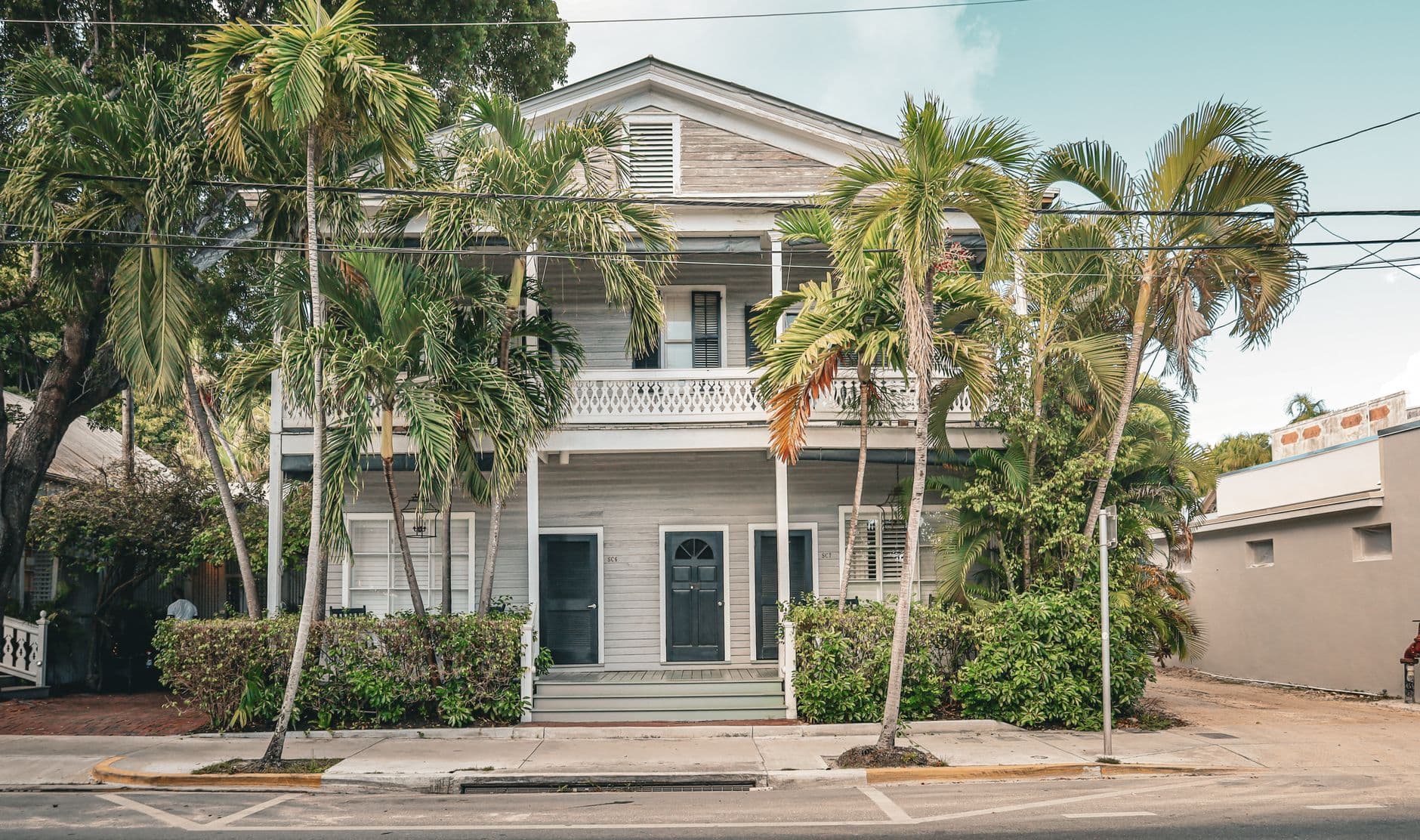
The number that blows up more Florida home budgets than the mortgage rate is sitting right there on the listing sheet, labeled "property taxes." Buyers read it, plug it into the monthly payment, and feel fine. Then the year-two bill lands and it is far higher than the sheet said. Nobody moved the goalposts. The tax figure on the listing was never yours. It was the seller's, and in Florida the seller's tax number can be worthless the moment you take the keys.
Here is the mechanism, because it is worth understanding before you write an offer rather than after. Florida caps how fast the assessed value of a homesteaded home can rise. Under the Save Our Homes limitation, once a home has its homestead exemption, the assessed value cannot increase by more than 3 percent or the change in the Consumer Price Index in a given year, whichever is less, per the Florida Department of Revenue. Hold a home for fifteen or twenty years and that cap compounds in your favor. The market value climbs, the assessed value crawls, and the gap between them, the Save Our Homes benefit, can grow enormous. That is why a long-tenured owner pays taxes on a fraction of what the house is actually worth.
The reset is the part that gets people
Now you buy that house. Florida law treats a sale as a change of ownership, and a change of ownership strips the Save Our Homes benefit. The property is reassessed at full market value the following January 1, per Section 193.155 of the Florida Statutes. All those years the prior owner spent building a low assessed value reset to zero the year after you close. Your taxable value jumps to what you paid, and your tax bill jumps with it.
Say you buy from someone who owned the home for two decades and had an assessed value far below market. The listing shows a tax bill of a few thousand dollars, so you budget a few thousand dollars. The January after closing, the assessment snaps up to your purchase price, and the following bill can land at nearly double what the listing showed. Nothing went wrong. The cap simply did what the cap does. The only mistake was budgeting off a number that belonged to the previous owner's twenty-year head start.
This is not a loophole or a trap laid for newcomers. It is how the system is designed to work, and it protects long-term homeowners from getting taxed out of a house whose value ran ahead of their income. But it means the tax line on any Florida listing is a historical artifact, not a forecast of your bill.
Portability is the money most move-up buyers leave behind
If you already own a Florida homestead, there is a second half to this that is worth real money and routinely skipped. Portability lets you carry your accumulated Save Our Homes benefit from your old homestead to your new one, up to a maximum transfer of $500,000 when you move up in value, per Section 193.155(8). That transferred benefit lowers the taxable value of your new home from day one. To claim it you have to establish the new homestead within three years of January 1 of the year you left the old one, and file the transfer form (DR-501T) alongside your homestead application by the March 1 deadline, per the Department of Revenue. Miss the window or the filing and the benefit is gone. For a Florida move-up buyer, that can be five figures a year in taxes, forfeited to a missed form.
One caution on the politics. Florida lawmakers have floated 2026 ballot proposals to change how and how often homes are reassessed. None of them is law. None takes effect unless voters approve it, and even then not before a future tax year, and none on the table eliminates Save Our Homes or portability. Plan around the rules as they exist today, not around a headline about what might change.
The move is to never budget a Florida purchase off the seller's tax bill. Before you finalize an offer, ask the county property appraiser, Miami-Dade, Broward, Hillsborough, Orange, whichever county the home sits in, for an estimate at your purchase price, not the seller's assessment. File for your homestead exemption by March 1 to start your own cap. And if you already own a Florida homestead, file for portability and carry your benefit forward. The tax line on the listing is the one number in the whole transaction that is guaranteed not to be yours. Treat it that way.
This explains how the mechanism works and is not tax or legal advice. Confirm your specific estimate with your county property appraiser (Miami-Dade, Broward, Hillsborough, Orange, and every Florida county publish an estimator) before you buy. Illustrative figures are examples, not a quote for any particular property.
References
REHL Research
Get the market read in your inbox
We publish what the numbers actually say about the markets you work in: rates, inventory, insurance, what it means for the price you pay. Sent when the data moves, not on a schedule.
Looking at homes right now? Start your search.