Jacksonville and Miami Just Posted America's Two Biggest Inventory Drops. Florida's Buyer's Market Lives on the Gulf.
The listings glut everyone blames on Florida is real, but it sits in Tampa Bay and the I-4 corridor, while the Atlantic metros are quietly running out of homes.
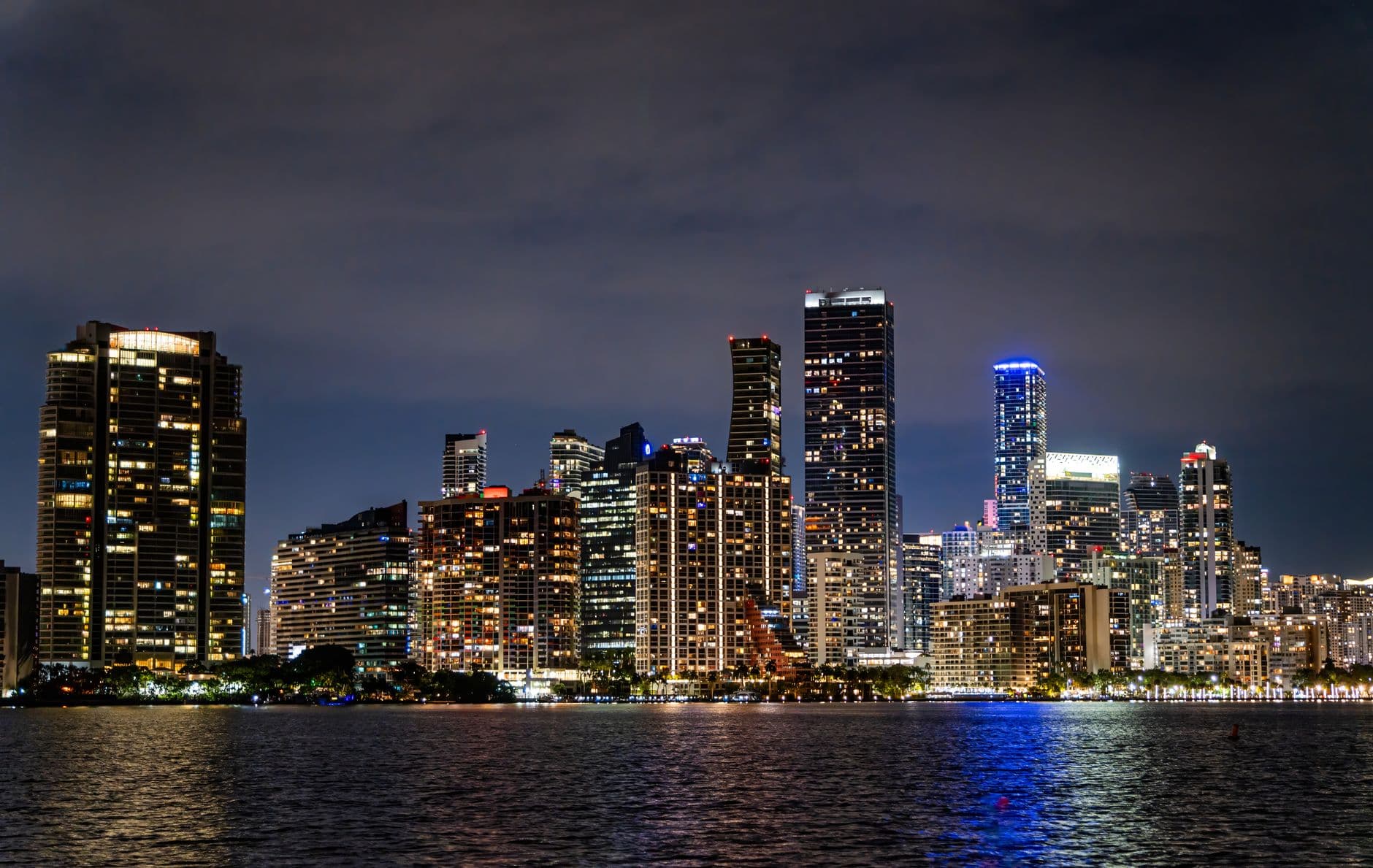
Jacksonville lost a fifth of its for-sale inventory in a single year. In the July 2026 Realtor.com Monthly Housing Trends Report, active listings in Jacksonville fell 20.0% year over year and Miami fell 16.9%, the two steepest inventory declines among the 50 largest US metros. National inventory rose 2.1% over the same stretch. Florida gets described as the country's buyer's market. On the Atlantic side of the state, the shelves are emptying.
The glut has an address, and it is not Miami
The "Florida is drowning in listings" story is not wrong. It is just badly located. The two markets shedding inventory fastest in America are both in Florida, and they sit on the east coast. Meanwhile the metros that actually built a surplus are inland and on the Gulf.
Here is the July 2026 picture from Realtor.com, all figures year over year for active for-sale listings:
| Market | Active listings, YoY (July 2026) |
|---|---|
| Jacksonville, FL | -20.0% |
| Miami, FL | -16.9% |
| South region | -0.2% |
| United States | +2.1% |
Nationally, inventory growth has stalled in the low single digits and is still running 11.6% below typical 2017 to 2019 levels, per the same July 2026 Realtor.com release. The homes that are piling up are piling up in the Midwest, where listings rose 9.3%, and the Northeast, up 8.3%. The South as a region was flat. Inside that flat regional number, Florida is pulling in two directions at once.
Tampa Bay and the I-4 corridor are carrying the surplus
If you want the buyer's market Florida is famous for, you have to drive to it. Tampa posted one of the largest annual declines in list price per square foot of any big metro in July 2026, down 4.8%, keeping company with Austin at -8.5% and Memphis at -6.0%, according to Realtor.com. That is the signature of a market with too much supply and buyers who can afford to wait.
The inland I-4 corridor tells the same story from the other end of the pipe. As of May, the July 2026 ICE Mortgage Monitor summarized by Florida Realtors found Lakeland sitting on inventory 69% above its pre-pandemic norm and Orlando 41% above. Miami was the only major Florida metro the report tracked that was still below its pre-pandemic inventory level this spring. That was a snapshot from May, so treat the exact figures as directional history rather than today's count. The pattern it describes is the same one the July listing data confirms: the surplus is a Gulf and I-4 phenomenon, not a statewide one.
The mechanism is not mysterious. ICE found that markets with extra inventory are seeing the weakest price growth, and markets with thin inventory are still posting gains. Supply and price move together. So the same word, "Florida," now points at a Cape Coral seller cutting to compete and a Jacksonville seller with fewer rivals than last summer.
The statewide average hides the split
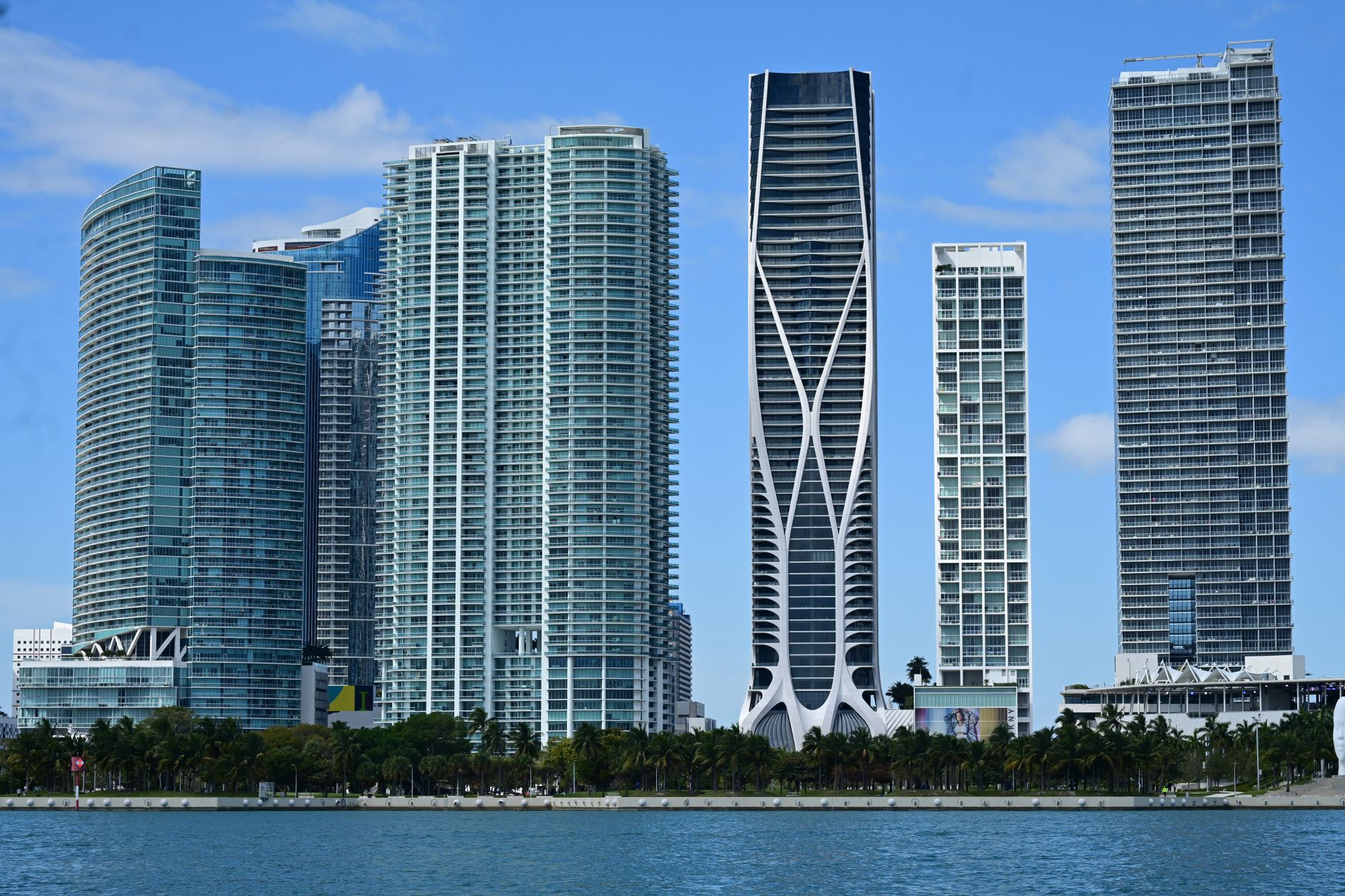
Statewide data smooths all of this into mush. Florida logged its 10th straight month of year-over-year sales growth in June, with single-family homes at 4.5 months of supply and condos at 8.1 months, according to Florida Realtors' June 2026 data. Those two supply numbers alone should end the idea of one Florida market. A 4.5-month single-family segment favors sellers. An 8.1-month condo segment is a structural condo glut that a strong sales month cannot clear. Layer the metro split on top of the property-type split and "the Florida market" stops meaning anything actionable.
Rates are not the variable doing the sorting here. The 30-year fixed averaged 6.69% in the Freddie Mac survey dated August 6, 2026, a hair above where it sat a year earlier. Every Florida buyer faces roughly the same rate. What they do not face is the same inventory. A buyer in Tampa or Lakeland is shopping a different market than a buyer in Brickell, and the gap widened over the past year rather than closing.
None of this makes Florida expensive on paper. The national median list price was $428,950 in July 2026, down 2.4% from a year earlier and falling for the ninth straight month, with price cuts on 20.0% of listings, per Realtor.com. The discounts are real. They are just not evenly distributed.
What to do with a split market
Stop shopping "Florida" and start shopping a metro. If you are hunting for leverage, point yourself at the surplus: Tampa Bay, the Orlando to Lakeland corridor, Cape Coral and North Port, and the condo segment almost everywhere. That is where price cuts, concessions, and slow days on market give a financed buyer room to negotiate.
If your heart is set on Jacksonville or coastal Miami-Dade, price your expectations to a tightening market, not a loosening one. Bring your cleanest offer, line up financing before you tour, and do not assume the seller is desperate, because a year of shrinking inventory says they are not. Sellers face the mirror image: on the Gulf and inland, price it once and price it right, because the buyer down the street has ten other listings to see. On the Atlantic coast, the competition thinned out while everyone was reading statewide headlines.
References
REHL Research
Get the market read in your inbox
We publish what the numbers actually say about the markets you work in: rates, inventory, insurance, what it means for the price you pay. Sent when the data moves, not on a schedule.
Looking at homes right now? Start your search.