Only 21 of South Florida's 2,397 Condo Buildings Can Get an FHA Loan. That, Not Supply, Is Why Condos Are Cheap.
Florida's condo glut is clearing and prices still fell in July. The discount is a financing problem, and only some buyers get to keep it.
Falling supply that doesn't lift price is a tell
Florida's condo and townhouse inventory fell just under 13% in the year to July 2026, and the median condo price still went nowhere. Statewide it held at $295,000, flat year over year, according to the August 17 Florida Realtors report. Condo and townhouse sales rose 11% over the same year. Rising sales, shrinking supply, and a price that will not budge. That combination does not happen in a normal market.
It happens when the buyers who show up cannot all get a loan.
The story Florida has told itself about condos for two years is a supply story: too many units, too much overhang from special assessments and the post-Surfside reserve laws, a glut that had to clear before prices could move. The glut is now clearing. Prices are not moving. So the supply story is finished, and the real one is plain. Florida's condo discount is a financing problem wearing a supply costume.
Two markets inside one county
Miami-Dade is the largest condo market in the state and the cleanest place to watch this. In July 2026, per the MIAMI REALTORS July report, single-family homes and condos in the same county behaved like assets on different planets.
| Miami-Dade, July 2026 | Single-family | Condo |
|---|---|---|
| Months of supply | 4.8 (seller's market) | 12 (buyer's market) |
| Median price, year over year | +3.8% to $685,000 | -1.5% to $400,000 |
| Active inventory, year over year | -22.8% | -11.8% |
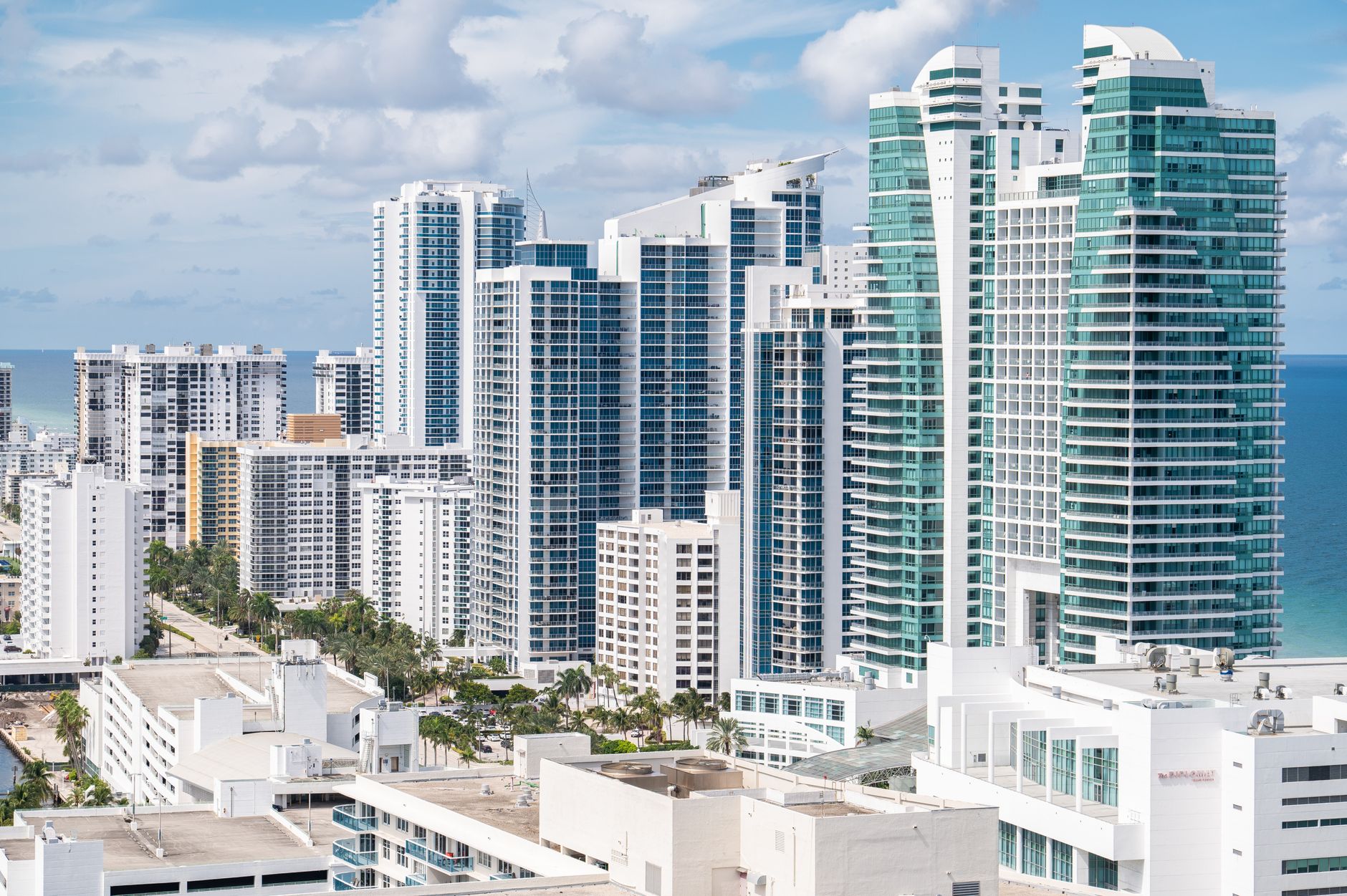
Same county. Same rates. Same insurance market, more or less. The single-family side is starved for listings and prices are climbing. The condo side is drowning in a 12-month supply and prices are slipping, even though condo listings have now fallen for six straight months, the first sustained decline since July 2023. Two markets, one ZIP code. The difference is not demand for a place to live in Miami. The difference is who can finance the purchase.
The constraint is a mortgage, not a listing
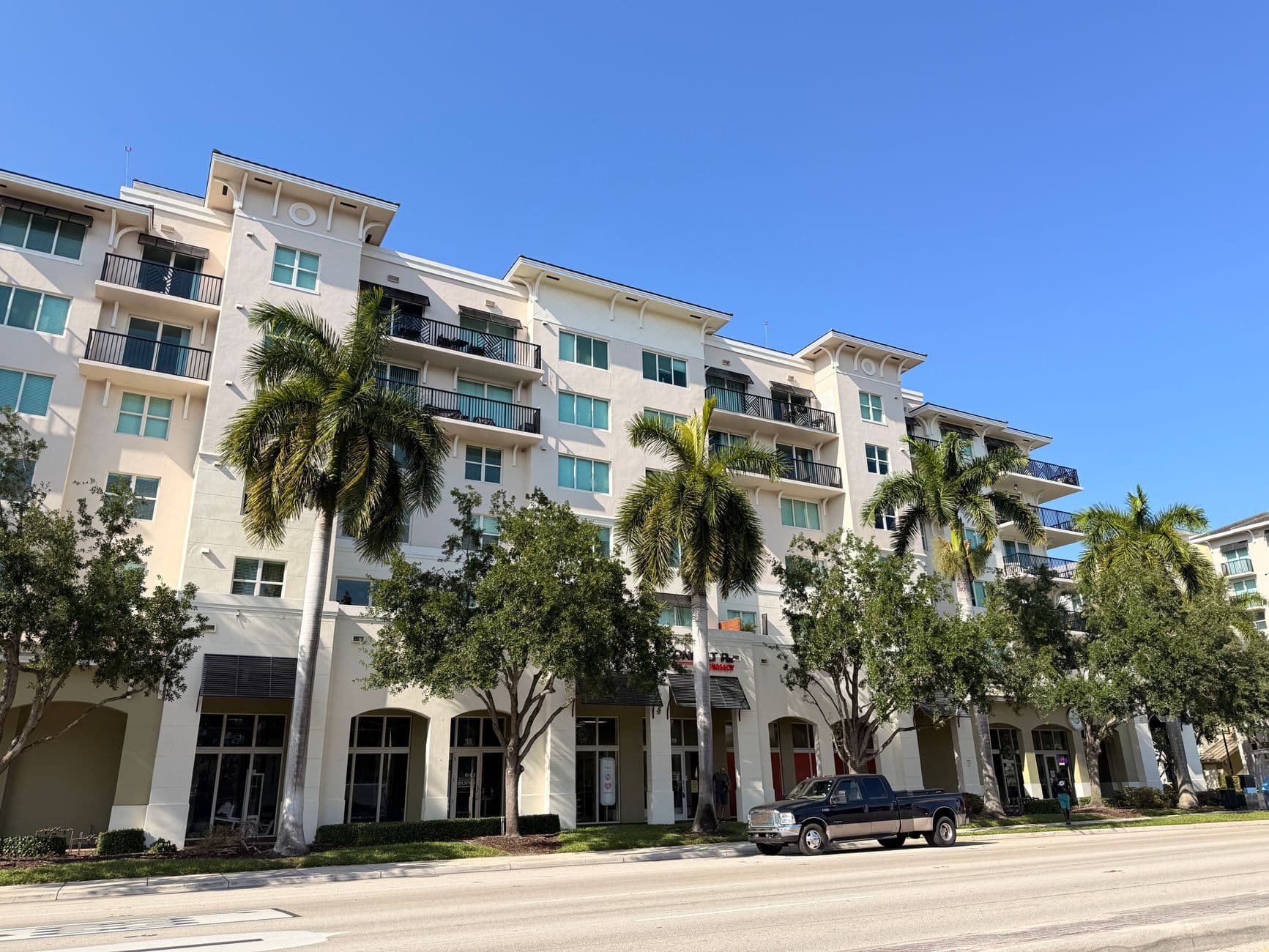
Here is the number that explains the discount. Of the 2,397 condominium buildings across Miami-Dade, Broward and Palm Beach counties, exactly 21 are approved for FHA financing, according to the MIAMI REALTORS July report citing HUD. That is 0.9%. The loan a first-time or lower-down-payment buyer would reach for is off the table in 99 out of 100 South Florida buildings.
It got harder this month, not easier. On August 3, 2026, Fannie Mae and Freddie Mac eliminated the limited review option that had let many condo loans skip a full project review. Older Florida buildings, the ones still sorting out reserves and structural inspections under the state's post-Surfside rules, are exactly the ones that now face the strictest scrutiny. A warrantable building sails through. A building with thin reserves or pending litigation can leave a financed buyer stranded at underwriting.
So the buyer pool self-selects toward cash. Cash made up 47.5% of Miami existing-condo sales in July 2026. In the $1 million-and-up condo tier, it was more than 80% last year. When roughly half your buyers pay cash, the financed buyer is not competing for the same unit at the same price. The seller who needs to reach a financed buyer has to discount, and does.
The discount is real. The question is whether you keep it
None of this means condos are a bad buy. It means the discount is compensation for a specific, solvable risk, and only some buyers get to keep it.
A 12-month supply is a genuine buyer's market, and it shows up in time, not just price. In Miami-Dade, the median condo took 125 days from list to closing in July, up from 107 a year earlier, while the listing-to-contract stretch grew to 86 days from 65. Sellers are waiting, and waiting sellers negotiate. Mortgage rates are not the obstacle here; the Freddie Mac survey put the 30-year fixed at 6.67% on August 13, 2026, roughly where it sat a year ago. A cash buyer, or a financed buyer under contract on a clean, warrantable, well-reserved building, is buying softness that a single-family buyer in the same county cannot find at any price.
The trap is buying the cheapest unit in the worst-financed building because the sticker looks like a steal. That discount is not a gift. It is the market pricing in the pool of future buyers who will never qualify to purchase it from you, plus the assessment risk that scared the lenders off in the first place. You inherit both when you resell.
What to do with this
For buyers: stop shopping by price per square foot and start shopping by the building's balance sheet. Ask for the reserve study, the most recent structural inspection, the litigation disclosure, and the lender's warrantability determination before you fall for a view. A building that Fannie, Freddie, or a portfolio lender will finance today is a building you can sell to a financed buyer later. That is where the durable value sits, and in a buyer's market this soft on the condo side, you can demand those documents and still negotiate. Brickell towers and their statewide cousins are not all the same asset, even at the same price.
For sellers: your reserves and your warrantability now set your buyer pool, and your buyer pool sets your price. A building lenders will underwrite reaches financed buyers and holds value. A building they will not reaches only cash, and cash wants a discount. If your association can fund reserves and complete its inspections, that is not paperwork. It is the difference between selling to half the market and selling to all of it.
References
REHL Research
Get the market read in your inbox
We publish what the numbers actually say about the markets you work in: rates, inventory, insurance, what it means for the price you pay. Sent when the data moves, not on a schedule.
Looking at homes right now? Start your search.