Price Cuts Are Rising Again. Just Not in Florida, Where Every Big Metro Cut Less Than a Year Ago.
July's national jump in seller price reductions came from the Northeast and Midwest. In Miami, Tampa, Orlando and Jacksonville, the share of listings with a cut fell year over year while inventory kept shrinking.

Sellers across the country reduced prices on 20.0% of active listings in July, the closest that share has come to last year's pace in months, according to Realtor.com's July 2026 Monthly Housing Trends Report. Florida went the other way. In all four of its largest metros, the share of listings with a price cut fell year over year, and by more than the regional average.
That is a real break from the story the country keeps telling about Florida. The state that spent two years as the poster child for the housing correction is now the place where sellers have stopped flinching, while the price-cut wave migrates into markets that avoided it the first time.
The cut share is climbing again, but not everywhere
Nationally, the 20.0% price-reduced share in July was up 1.2 percentage points from June and sat just 0.6 points below a year ago. That gap matters. Through the spring it had been running nearly two points under last year, and in June it was still 1.9 points below. The compression happened fast, and it did not happen evenly.
It was the Northeast and Midwest doing the work. Price cuts reached 13.7% of listings in the Northeast and 18.7% in the Midwest, and both regions are now above their year-ago rates, by 1.0 and 0.3 points. The South, at 21.3%, and the West, at 21.9%, still sit below last year, down 1.0 and 1.2 points. Among the metros where cuts jumped most against a year earlier were Baltimore, Philadelphia, Washington and Pittsburgh, not the Sun Belt names you would expect.
Florida sellers stopped cutting as hard
Inside the South, Florida is the extreme case. Every one of its four big metros posted a year-over-year drop in the price-reduced share, and the drops were larger than the region's.
| Metro (July 2026) | Listings with a price cut | Change vs. July 2025 | Active listings, YoY |
|---|---|---|---|
| Orlando | 21.8% | -4.1 pts | -4.1% |
| Jacksonville | 25.5% | -3.6 pts | -20.0% |
| Tampa-St. Petersburg | 25.4% | -3.5 pts | -7.9% |
| Miami-Fort Lauderdale-West Palm Beach | 14.5% | -3.2 pts | -16.9% |
Read the two columns together. Fewer sellers are cutting than a year ago, and there are fewer homes to compete with in the first place. Jacksonville's active inventory fell 20.0% year over year and Miami's fell 16.9%, the two steepest declines among the 50 largest metros in the July data. That inventory story has been building on the Atlantic coast for months, and July extended it rather than reversing it.
The cuts already happened here
The reason Florida sellers are cutting less is not that prices are ripping. It is that the reset already ran. Median list prices in July were still down 4.5% year over year in Jacksonville, 4.2% in Tampa, 2.9% across the Miami metro and 1.8% in Orlando. On a price-per-square-foot basis, which strips out the size mix, Tampa's 4.8% annual decline was the third worst in the country. Florida did its markdown first. What looks like discipline now is really a market that finished correcting before the rest of the country started.
Demand, meanwhile, held. The typical Florida listing sold no slower than a year earlier despite the 30-year fixed rate averaging 6.69% as of the August 6 Freddie Mac survey, up slightly from a year ago. Homes in Jacksonville went under contract nine days faster than last July, and Miami's median days on market fell four days. Buyers did not wait for cheaper money. They bought into a lower price base.
What the split means for you
For sellers, the panic-cut era is easing, and the data now backs a firmer hand. In the Miami metro, only 14.5% of listings carried a reduction in July, the lowest of any big Florida market and well below the national 20.0%. That is not a market that rewards a defensive list price. It rewards pricing at what recent comparable sales actually cleared and holding there. The trap is assuming last year's discount reflex still applies. It is fading, and an aspirational list price you plan to cut later still costs you twice.
For buyers, the "distressed Florida" bargain headline is stale. Statewide leverage is thinner than the national coverage suggests, and it is thinnest on the Atlantic side, where inventory is vanishing and cuts are rare. The leverage that remains is concentrated on the Gulf and in the I-4 corridor: Tampa and Jacksonville still show roughly one in four listings with a price cut, and Orlando one in five, even as those shares fall. If you want a negotiable Florida deal in the back half of 2026, that is where the receipts still point. Bring comps that reflect the price-per-square-foot declines, not the list price, and make your first offer on a listing that has already sat.
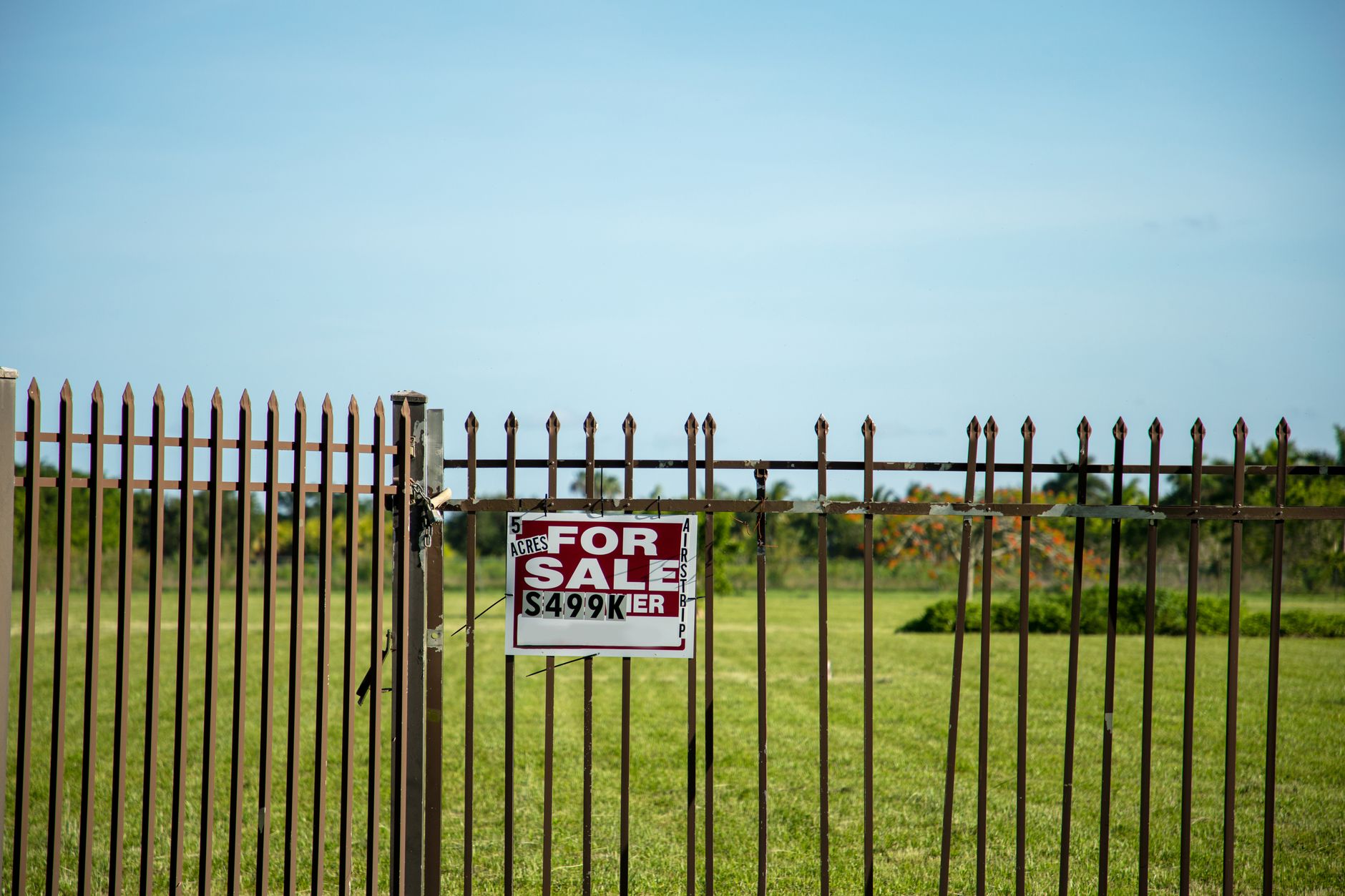
The national read for August, per Realtor.com's economists, is whether rising cuts start to drag on sales. In Florida that test is largely behind us. The question here is no longer how much further prices fall. It is how long the coast can keep running out of homes.
References
REHL Research
Get the market read in your inbox
We publish what the numbers actually say about the markets you work in: rates, inventory, insurance, what it means for the price you pay. Sent when the data moves, not on a schedule.
Looking at homes right now? Start your search.